
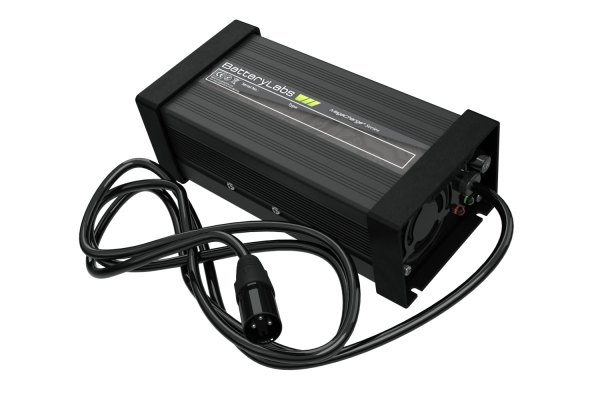

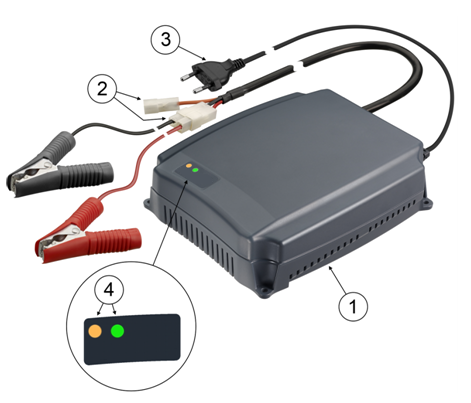
Battery charger AGM/GEL/Carbon CCP 12Volt – 20Amps
€ 109,00 (excl. VAT)
€ 131,89 (Incl. VAT)
– Lead/acid / GEL / Carbon battery charger
– 12Volt
– 20 Ampere
– 3-step charger
– Crocodile clamp connector
General
This 12Volt 20A AGM/GEL/Carbon Battery Charger is specifically suitable for charging Lead-acid / Lead-GEL and Lead-Carbon batteries.
For more information about this charger, please visit: https://www.intercel.eu/nl/accu-accessoires/acculaders/
The battery charger is suitable for batteries with a capacity of: 70-140Ah.
Application
This charger can be used for various applications and is, among other things, suitable as a mobility scooter charger.
Technique
There are several methods for charging lead-acid batteries, but charging at a constant voltage is the best. For this type of charging, a battery charger with a fixed voltage setting is used to charge the lead-acid battery. Special attention must be paid to the exact charging voltage and initial charging current.
The charger is equipped with crocodile clamps
Explanation of battery voltages and cell construction. |
||||||||||||||||
| As confusing as it may be, we're talking about many different voltages when it comes to batteries. Below are some of the voltages you'll encounter as a user. | ||||||||||||||||
The nominal voltage (NomU): |
||||||||||||||||
| The nominal voltage is the voltage that is usually stated everywhere. You buy a 12V lead-acid battery, or a 48V lithium battery. Strangely enough, | ||||||||||||||||
| This nominal voltage is no longer used anywhere. It's a voltage you use to determine what kind of battery you need. | ||||||||||||||||
| If you are looking for a 60V lead-acid solution, you will need 5 12V batteries. | ||||||||||||||||
Minimum Voltage (MinU): |
||||||||||||||||
| The minimum battery voltage is the voltage below which the battery is damaged. For a lead-acid battery, this is approximately 9,9 V, but this voltage also depends on many factors. | ||||||||||||||||
| Other factors, including discharge rate, are also important. It is therefore important to ensure that a battery is not discharged below the minimum battery voltage. | ||||||||||||||||
| Fortunately, controllers normally ensure that discharging stops before this voltage is reached. So, for example, when a scooter stops, the | ||||||||||||||||
| battery is not yet empty but is protected against damage. | ||||||||||||||||
The max. charging voltage (MaxU): |
||||||||||||||||
| Depending on the battery type and composition, the battery must be charged with a certain maximum charging voltage. This voltage varies almost | ||||||||||||||||
| per battery. Cyclic lead-acid batteries have a charging voltage, while lead-gel batteries have a slightly different charging voltage. | ||||||||||||||||
Number of cells in series (S): |
||||||||||||||||
| A lithium battery consists of a series connection of AA batteries. By connecting the batteries in series, the manufacturer can | ||||||||||||||||
| create the required voltage. This value is expressed in S. | ||||||||||||||||
| There are many more differences in lithium batteries, see below: | ||||||||||||||||
| Lithium is combined with various other materials to achieve certain properties. | ||||||||||||||||
| NomU | Battery type | S | MaxU | |||||||||||||
| 12 | LFP4 | 4 | 14,6 | |||||||||||||
| 12 | LiPo/Ion | 4 | 16,8 | |||||||||||||
| 12 | Lead/acid | 6 | 14,9 | |||||||||||||
| 24 | LFP4 | 7 | 25,6 | |||||||||||||
| 24 | LFP4 | 8 | 29,2 | |||||||||||||
| 24 | LiPo/Ion | 7 | 29,4 | |||||||||||||
| 24 | Lead/acid | 12 | 29,4 | |||||||||||||
| 24 | Lead/GEL | 12 | 28,9 | |||||||||||||
| 30 | LiPo/Ion | 8 | 33,6 | |||||||||||||
| 33 | LiPo/Ion | 9 | 37,8 | |||||||||||||
| 36 | LFP4 | 12 | 43,8 | |||||||||||||
| 36 | LiPo/Ion | 10 | 42 | |||||||||||||
| 36 | Lead/acid | 18 | 44,1 | |||||||||||||
| 40 | LiPo/Ion | 11 | 46,2 | |||||||||||||
| 48 | LFP4 | 15 | 54,8 | |||||||||||||
| 48 | LFP4 | 16 | 58,4 | |||||||||||||
| 48 | LiPo/Ion | 13 | 54,6 | |||||||||||||
| 48 | LiPo/Ion | 14 | 58,8 | |||||||||||||
| 48 | Lead/acid | 24 | 58,8 | |||||||||||||
| 48 | Lead/GEL | 24 | 57,8 | |||||||||||||
| 60 | LFP4 | 20 | 73 | |||||||||||||
| 60 | LiPo/Ion | 16 | 67,2 | |||||||||||||
| 60 | LiPo/Ion | 17 | 71,4 | |||||||||||||
| 60 | Lead/acid | 30 | 73,5 | |||||||||||||
| 60 | Lead/GEL | 30 | 72,3 | |||||||||||||
| 72 | LFP4 | 24 | 87,6 | |||||||||||||
Be the first to review “Battery Charger AGM/GEL/Carbon CCP 12Volt – 20Amps”
| Battery voltage | 12 volt |
| Capacity | Nvt |
| Battery Type | Lead Acid/GEL/Carbon |
| Cell Type | Nvt |
| Number of Cells in Series | 12 |
| Charger voltage | 15 volt |
| max. charging current | 20 Ampere |
| Security | Overcharge, under discharge, short circuit |
Related products
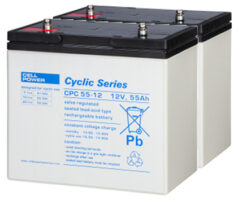
– 2 blocks
– 24Volt
– Cyclic batteries
- Long lifespan
– High capacity
– Free shipping!!
€ 235,00 (excl. VAT)
€ 284,35 (Incl. VAT)


Cellpower
– Cellpower CPC10-12
– 12Volt 10Ah (20h)
– Cyclic design, many charging cycles
- very suitable for scooters
– Universal cyclic battery
€ 21,85 (excl. VAT)
€ 26,44 (Incl. VAT)
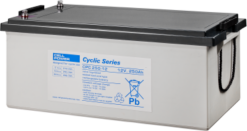
Batteries for recreation
– 2 pieces Cyclic block 12V 250Ah
- Long lifespan
– Many charge/discharge cycles
– Suitable for cyclic applications
– Also suitable for movers, mobility scooters, etc.
€ 821,00 (excl. VAT)
€ 993,41 (Incl. VAT)
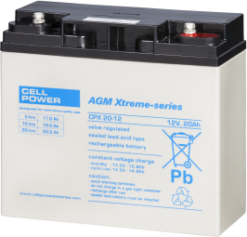
Batteries for recreation
– 1 block
– 12Volt
– Cyclic battery
- Long lifespan
– High capacity
€ 69,00 (excl. VAT)
€ 83,49 (Incl. VAT)
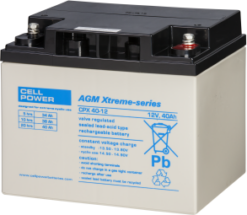
Cellpower
– 3 blocks
– 12Volt 45 Ah
– Extreme design, many charging cycles
- very suitable for electric scooters
€ 294,00 (excl. VAT)
€ 355,74 (Incl. VAT)

– 2 blocks
– Total 24Volt 75Ah
– Cyclic batteries
- Long lifespan
– High capacity
€ 299,00 (excl. VAT)
€ 361,79 (Incl. VAT)
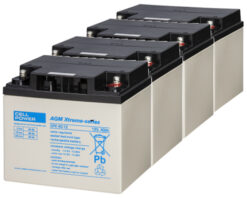
Cellpower
– 4 blocks CPX45-12
– 12Volt 45 Ah
– Extreme design, many charging cycles
- very suitable for electric scooters
€ 395,00 (excl. VAT)
€ 477,95 (Incl. VAT)
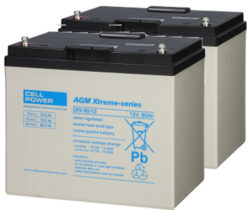
– 2 blocks 12 Volt
– 24Volt 80Ah
– Extremely Cyclic Batteries
- Long lifespan
– High capacity
€ 348,00 (excl. VAT)
€ 421,08 (Incl. VAT)
Reviews
There are no reviews yet.